
Written by the Kehls team · Last updated: 16 September 2026
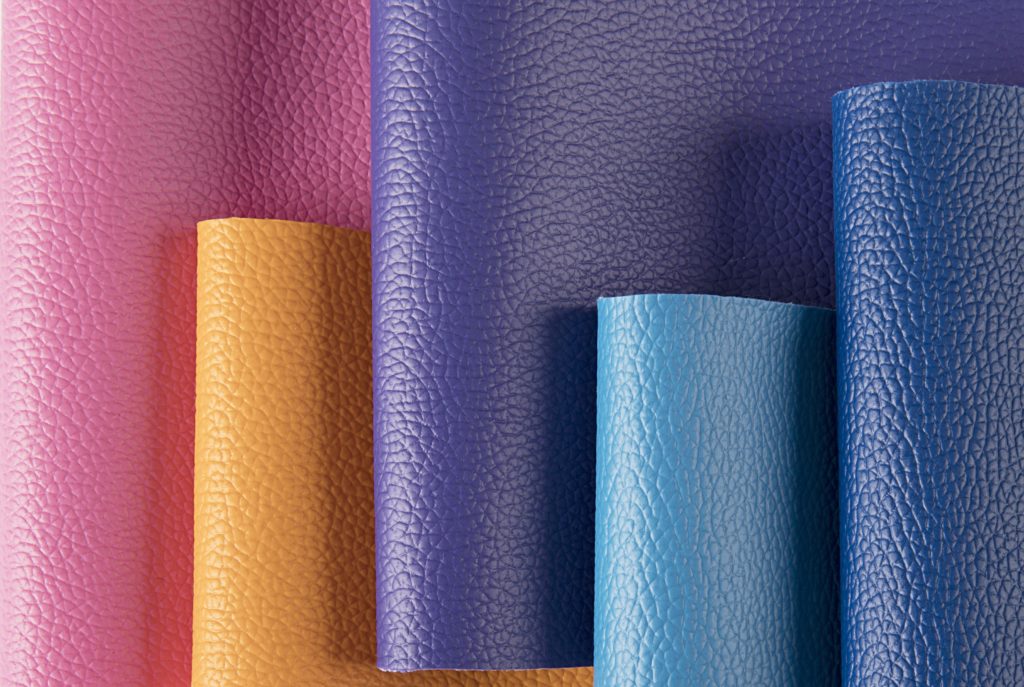
Upholstery vinyl is a PVC face layer bonded to a knit or woven fabric backing, embossed to look like leather while staying waterproof, wipeable and far more affordable. It is sold by the metre in thicknesses from 0.7mm to 1.2mm, with grades for household furniture, vehicles, boats and commercial seating.
Recovering a kitchen chair, trimming a bakkie seat or specifying a waiting-room bench all start with the same two questions: what is vinyl upholstery, and which grade does your project need? This upholstery vinyl guide answers both, from construction and thickness through to marine, automotive and commercial applications. We stock affordable and quality vinyl ranges in every grade covered below, cut to size and sold by the metre, and Kehls has supplied the Upholsterer, Motor Trimmer and Public since 1970.
Contents
- What Is Upholstery Vinyl (and Is Vinyl Considered Upholstery)?
- The Main Types of Upholstery Vinyl
- Thickness at a Glance: 0.7mm to 1.2mm
- Marine and Automotive Vinyl: What Makes Them Different
- Working with Vinyl: Sewing, Stretch and Backing
- Repair, Paint and Dye: What Actually Works
- Vinyl vs Fabric Upholstery: When Each Wins
- Get the Right Vinyl for Your Project
- Resources
- FAQ
What Is Upholstery Vinyl (and Is Vinyl Considered Upholstery)?
Upholstery vinyl is simpler than the trade names suggest. It is a PVC-coated fabric: a polyvinyl chloride face layer bonded to a knit or woven backing, usually polyester or cotton. Embossing presses a leather-like grain into the face, which is why a well-made vinyl reads as leather from across the room.
That backing matters more than most people realise. Without it, a PVC sheet is just plastic; the fabric layer is what lets vinyl for upholstery flex around a frame, hold stitching and take a staple. Our own FAQ puts the performance case plainly: vinyl’s non-porous surface resists water, repels moisture and dries quickly.
So is vinyl considered upholstery? Yes. Upholstery describes the covering and padding of furniture, and the vinyl upholstery material on our rolls is a covering in exactly the same sense as fabric or leather. It sits alongside them as the practical, wipeable option, not beneath them. Here is how the leather-look family compares:
- Genuine leather: A natural hide that ages with character and rewards regular feeding and care. Beautiful, long-lived and priced accordingly.
- PU or “faux leather”: A polyurethane coating over fabric with a soft hand. Vinyl is PVC-based, generally more water-resistant and easier to wipe down.
- Bonded leather: Leather fibres bonded to a backing with polyurethane, giving a leather look at a friendlier price. We stock synthetic leather and bonded leather ranges alongside our vinyls.
Key takeaway: vinyl is not imitation upholstery. It is an upholstery covering in its own right, chosen deliberately for water resistance, easy cleaning and price per metre.
The Main Types of Upholstery Vinyl
If you’re comparing vinyl upholstery fabric in South Africa, the grades below cover almost every project you’ll meet. The differences come down to gauge (thickness measured in millimetres), the additives in the PVC face and the finish on top.
| Type | What it is | Where it belongs | Kehls range |
| Economical vinyl (0.7mm) | Thin, light and easy to handle | Decorative items, light household use and budget-friendly projects | Economical Vinyl |
| Regular vinyl (0.8mm) | The everyday balance of durability, flexibility and practicality | General household furniture plus moderate-traffic commercial: restaurant seating, waiting rooms, salons, reception | Paradise, Paradise Rainbow, Savannah |
| All Purpose vinyl (1.0mm) | Strength and flexibility in one roll | Outdoor areas and higher-wear environments | All Purpose Vinyl |
| Contract vinyl (1.2mm) | Heavy-duty commercial grade | Offices, hotels, restaurants, clinics, schools and public seating | Contract Vinyl |
| Décor vinyl | Styled, textured finishes with printed options available | Headboards, accent furniture and wall panels | Décor Vinyl |
| Marine-grade vinyl | PVC face with UV stabilisers and mildew inhibitors | Boat seating and anything living in sun and moisture | Ask your nearest Kehls branch |
| Automotive vinyl | Engineered for temperature swings and stretch around contours | Vehicle seats, door panels and trim | Ask your nearest Kehls branch |
| Clear plastic | Transparent PVC sheeting | Protective covers over table linen and finished upholstery | Clear Plastic |
“Match the vinyl to the traffic, not just the budget. A Regular 0.8mm on a dining chair will still look right years from now; the same roll on a school corridor bench is working harder than it should.”
Trade counter manager, Kehls
Specifying a commercial fit-out and weighing hard-wearing against good-looking? Keep it simple: Contract Vinyl carries the traffic, Décor Vinyl carries the styling, and most fit-outs need both.
Thickness at a Glance: 0.7mm to 1.2mm
Thickness is the fastest way to shortlist a vinyl, and our line-up spans 0.7mm to 1.2mm.
| Thickness | Kehls line | Character | Best suited to |
| 0.7mm | Economical Vinyl | Thin and light | Household use, decorative items and budget-friendly projects |
| 0.8mm | Regular Vinyl (Paradise, Paradise Rainbow, Savannah) | Durability, flexibility and everyday practicality in balance | General household furniture and moderate-traffic commercial spaces |
| 1.0mm | All Purpose Vinyl | Strength with flexibility | Outdoor areas and higher-wear environments |
| 1.2mm | Contract Vinyl | Heavy duty | Offices, hotels, restaurants, clinics, schools and public seating |
One working note: the thicker the vinyl, the tougher it is, and the harder it becomes to wrap around tight curves. This upholstery vinyl guide stays at summary level on purpose; the full decision walk-through, including seams, curves and upstands, lives in our vinyl thickness guide: 0.8mm vs 1mm vs 1.2mm.
Key takeaway: traffic decides thickness. Light household work sits at 0.7mm, everyday furniture at 0.8mm, outdoor and hard-working areas at 1.0mm, and full commercial duty at 1.2mm.
Marine and Automotive Vinyl: What Makes Them Different
Sun, moisture and hot cabins wear out standard materials long before their time. Marine and automotive grades exist because the environment, not the sitting, does most of the damage.
Marine-grade vinyl
Marine grade vinyl upholstery fabric adds UV stabilisers and mildew inhibitors to the PVC face. The stabilisers slow fading and brittleness in direct sun, while the inhibitors fight mildew wherever moisture lingers, which is exactly the combination boat seating, pool loungers and exposed stoep furniture face. For general outdoor areas away from constant soaking, our All Purpose Vinyl (1.0mm) is built for the job.
Automotive vinyl
Automotive vinyl upholstery is engineered for a different battle: cabin temperatures that swing from cold mornings to baking afternoons, plus the stretch needed to follow bolsters, pleats and door contours. Motor trimming also leans on the specialist variants covered in the next section, foam-backed and 4-way stretch, to get clean lines over deep shapes.
We’ve supplied the motor trimming trade alongside upholsterers since 1970, and we stock motor fabrics, automotive carpets and roof lining under our technical fabrics ranges. Pop in-store or WhatsApp your nearest Kehls branch to check current marine and automotive vinyl options and colours.
Working with Vinyl: Sewing, Stretch and Backing
Start with the rule from our own fitting guidance: adhesive alone works for flat or decorative installations, while stitching is essential for upholstered pieces and high-stress areas like seating. Glue holds a headboard panel; it does not hold a seat seam under daily use.
- Foam-backed vinyl upholstery: A thin foam layer bonded behind the face gives a cushioned, padded finish straight off the roll. It smooths minor substrate imperfections and helps on contoured panels.
- 4-way stretch vinyl upholstery: Stretch in every direction is the trimmer’s answer to bucket seats, deep buttons and tight compound curves, where a standard vinyl would pucker.
- Sewing vinyl: Every needle hole in vinyl is permanent, so measure and mark before you stitch. A slightly longer stitch length puts fewer perforations along the seam, which keeps high-stress joins stronger.
Thickness plays in here too. A 0.8mm Regular Vinyl wraps tight radii far more willingly than a 1.2mm Contract, so wrap-heavy jobs sometimes justify the lighter gauge on low-wear faces. When in doubt, bring the piece’s measurements in-store and talk it through at the counter.
Repair, Paint and Dye: What Actually Works
Scenario snapshot: a café owner arrives with a bench cushion torn along the front edge. A patch would reopen within weeks under sliding trays and daily trade; a couple of metres of Contract Vinyl and an afternoon with an upholsterer sorted the bench properly. That pattern repeats across most repair questions we get, so here are the honest verdicts:
- Repair tape and patch kits: Temporary cosmetic fixes. They buy time and tidy the look, but they do not restore strength across a seam or a stress point.
- Vinyl paint and dye: These products exist and can refresh colour on low-flex, low-wear surfaces. Results vary widely, and preparation decides the outcome: the surface must be properly cleaned and prepped or the finish lifts.
- Recovering per metre: For seating, recovering is usually the durable answer. Vinyl is sold by the metre and cut to size, so you buy only what the panel needs.
Myth: vinyl always cracks in the end. Reality: quality vinyl that is properly cared for maintains its flexibility and resists cracking for years. Prevention beats repair, and a regular routine of gentle cleaning and conditioning is what keeps vinyl supple.
“We see it all the time: a taped seat that lasted a month, then a proper recover that sorted it for years. For seating, the metre of vinyl is nearly always the durable answer.”
Upholstery specialist, Kehls
Vinyl vs Fabric Upholstery: When Each Wins
There is no single winner here, only the right material for the room. Vinyl upholstery earns its place wherever life gets spilled on; fabric earns its place wherever comfort and texture lead.
- Choose vinyl when: spills, moisture and quick wipe-downs rule the day. Kitchens, restaurants, waiting rooms, salons, playrooms, boats and vehicles all favour a non-porous surface that dries quickly.
- Choose fabric when: warmth, breathability and pattern depth matter most. Lounges, bedrooms and formal seating reward the softness and visual texture a woven fabric brings.
- Choose genuine leather when: you want a natural material that ages with character and you are happy to give it the regular care it deserves.
Many projects mix all three across a single home or fit-out, and that is exactly how it should be. On the fabric side, our guide to outdoor vs patio vs indoor fabric maps which weave belongs where, from full-sun patios to formal lounges.
Get the Right Vinyl for Your Project
You now know what vinyl upholstery is, how the 0.7mm to 1.2mm grades differ and where each one belongs. The next step is getting the material into your hands, because thickness and grain make far more sense between your fingers than on a screen.
As upholstery vinyl suppliers since 1970, we keep it simple. Whether you’re the Upholsterer, the Motor Trimmer or the Public, the same affordable and quality service applies:
- Free fabric samples: Request swatches of any vinyl range before you commit.
- Sold by the metre: Cut to size for your project, from one chair seat to a full fit-out.
- Free delivery: In and around Cape Town, Monday to Friday.
- Three branches: Maitland (Cape Town), Pinetown (KZN, since 2006) and George (Garden Route, since 2019), each reachable on WhatsApp, plus our showroom in Bergvliet, Cape Town.
Pop in-store with your measurements, or contact your nearest Kehls branch and we’ll help you match the right upholstery vinyl to the job.
Resources
- Kehls, Vinyl ranges and vinyl FAQs: https://www.kehls.co.za/vinyl/
- British Plastics Federation, Plastipedia: Polyvinyl Chloride (PVC): https://www.bpf.co.uk/plastipedia/polymers/PVC.aspx
- PVC.org (the European PVC industry portal), What is PVC?: https://pvc.org/
FAQ
What does vinyl upholstery mean?
Vinyl upholstery means furniture or seating covered in a PVC-faced material rather than woven fabric or leather. The material is a PVC face layer bonded to a knit or woven fabric backing, usually embossed with a leather-like grain. Because the surface is non-porous, it resists water, repels moisture, dries quickly and wipes clean, which is why it suits kitchens, cafés, clinics, waiting rooms and vehicles so well.
Is vinyl good for upholstery?
Yes, provided the grade matches the job. Vinyl’s non-porous face resists spills and moisture, wipes clean in seconds and stands up to daily use, and thicknesses from 0.7mm to 1.2mm let you match durability to traffic. Quality vinyl that is properly cared for maintains its flexibility and resists cracking for years. Order free samples so you can judge the thickness and grain in hand before buying.
Can vinyl upholstery be dyed or painted?
Vinyl paint and dye products exist, and on low-wear, low-flex surfaces they can refresh colour reasonably well. Results vary widely between products and surfaces though, and preparation decides everything: the vinyl must be thoroughly cleaned and prepped or the new colour lifts and wears through. For seats and other high-flex panels, recovering with fresh vinyl by the metre gives a far more durable result.
Can vinyl seats be repaired, and how do you patch vinyl upholstery?
Small tears can be patched with repair tape or a vinyl patch kit: clean the area, cut the patch larger than the tear and press it down firmly. Treat this as a temporary cosmetic fix, because patches cannot restore strength across a seam or stress point. For seating that gets daily use, recovering the panel with new vinyl is the repair that actually lasts.
How do you sew or stitch vinyl upholstery?
Stitching is essential for upholstered pieces and high-stress areas like seating; adhesive alone is only suitable for flat or decorative installations. Remember that every needle hole in vinyl is permanent, so mark carefully and sew once. A slightly longer stitch length reduces perforations along the seam line, and foam-backed or 4-way stretch vinyls make contoured seat work considerably easier to sew cleanly.
Can you shrink or stretch vinyl upholstery?
Vinyl has useful give, and 4-way stretch vinyl is made specifically to stretch in every direction over deep contours. Trimmers also use gentle warmth to make vinyl more pliable while fitting tight curves. Do not rely on shrinking vinyl back to remove slack though: the durable approach is to measure, cut and fit properly, keeping in mind that thicker grades stretch less than lighter ones.