Foam mattress vs spring mattress: foam suits bunks, caravans and custom sizes, pocket springs suit couples, and foam density decides the quality.
Kehls has been trading since 1970 and we stock foam in 10 densities, so we hear this question at the counter every week. This guide compares the two types by the job the bed has to do, from a main bedroom to a hostel bunk or a caravan bed with a tapered end.
Contents
- Foam mattress vs spring mattress at a glance
- Inside a foam mattress
- Inside a spring mattress
- Disadvantages of a foam mattress and how to avoid them
- The best mattress type for each use
- Caring for a foam mattress
- Feel the foam before you choose
- Resources
- FAQ
Foam mattress vs spring mattress at a glance
Most people test a mattress for two minutes, then sleep on it for years. Compare these seven points instead.
Comparison table
| Point | Foam mattress | Spring mattress |
| Support | Even; firmness set by the foam grade | From steel coils; feel set by coil type and comfort layers |
| Motion transfer | Foam absorbs much of the movement | Bonnell coils pass it across the bed; pocket springs keep it local |
| Heat | Can hold heat; a breathable cover helps | The open coil layer lets air move |
| Weight | Light, but can slide on a slatted base | Heavier, so it stays put |
| Lifespan | Set by density: denser foam holds its shape longer | Set by the coil unit and its comfort layers |
| Custom sizes | Can be cut to almost any shape | Standard sizes are the norm |
| Re-covering | A sound foam core can take a new cover | More involved, with springs and padding inside |
- Choose foam when: the bed is a bunk, guest bed, staff bed or odd shape, or weight matters.
- Choose springs when: two people share the bed nightly and like a bouncy, familiar feel.
Myth: springs are the quality option and foam is the budget one. Reality: the quality of the foam matters more than the mattress type.
Inside a foam mattress
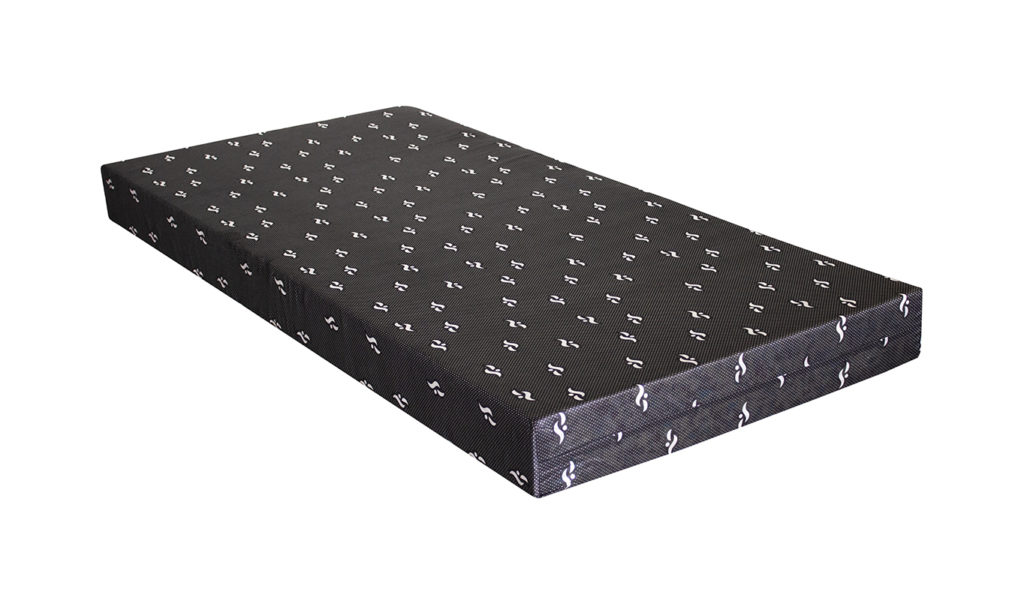
Two foam mattresses can look identical and behave nothing alike a year later. Most are made from polyurethane foam, which is why many South Africans still call one a sponge mattress.
Foam grades and density in kg/m³
Foam density is the weight of foam in one cubic metre, measured in kg/m³. According to Onsen, higher-density foam holds its shape for longer and resists sagging, while low-density foam softens and takes body impressions sooner. Density is not firmness: firmness is how hard the foam feels. High resilience (HR) foam is a springy grade that recovers quickly; memory foam recovers slowly and moulds to the body.
Key takeaway: the higher the density in kg/m³, the longer the foam holds its shape.
Covers and ticking
Mattress ticking is the tightly woven fabric cover around the foam. It protects the foam and lets heat and moisture escape, and a zipped version can come off for washing. When you compare foam mattresses, ask about the foam grade first and the cover second.
Inside a spring mattress
Roll over on an older Bonnell spring bed and your partner feels it. That’s the coils moving as one unit.
Bonnell coils and pocket springs
According to Mattress Miracle, Bonnell coils are interconnected, while pocket springs are individually wrapped and reduce motion transfer. Bonnell units give a firm, even feel; pocket springs respond one by one, which suits couples.
Comfort layers on top of the springs
Foam, fibre or padding sits above the springs and sets how the bed feels; a hybrid pairs pocket springs with a thicker foam layer. That top foam deserves as much attention as the coil count.
Disadvantages of a foam mattress and how to avoid them
Foam has four well-known limits, and each has a practical fix:
- Heat: National Mattress lists heat retention as a main drawback. Fix: a breathable cover and a ventilated base.
- Body impressions: these form in low-density foam over time. Fix: a denser grade for a bed used nightly.
- Firmness surprise: some grades feel firmer than expected. Fix: press-test the grade at the counter.
- Sliding: light foam can slide on slats; Nolah notes non-slip pads and closer slats help. Fix: a solid or closely slatted base.
The best mattress type for each use
So which mattress is best, foam or spring? Match it to the bed’s job.
Main bedroom
Couples suit pocket springs, which stop one sleeper’s movement waking the other. High-density foam suits sleepers who like even support; heavier sleepers should look at denser foam or a firmer spring unit. For back pain, ask a health professional.
Children and bunk beds
Foam earns its place here: it is light enough to lift on a top bunk, has no coils and can be cut to the bunk’s exact size. On cots and toddler beds, the mattress should fill the frame with no gaps at the sides.
Staff housing, hostels and guest rooms
According to King Koil, hotels mostly use pocket-spring or hybrid mattresses in guest rooms. Foam is common in staff quarters, hostels, lodges and bunk rooms, where durability, low weight and easy re-covering matter more.
Caravans, boats and odd sizes
Spring units come in set sizes; caravan beds taper and boat berths curve. Foam cut to your requirements solves that: our foam sheets are cut to size, and our foam cutting and glueing service handles the shaped pieces.
Scenario snapshot: a caravan owner traces the angled bed base onto paper, brings the template in and has foam cut to match, then picks a cover from our free fabric samples.
Caring for a foam mattress
Myth: every foam mattress needs 48 hours before you sleep on it. Reality: according to Mattress Stores Los Angeles, the 24 to 72 hour wait applies to compressed, roll-packed foam mattresses; follow the maker’s guidance.
- Rotate the mattress head to foot every few months so wear spreads evenly.
- Keep it on a solid or closely slatted base.
- Wash or air the cover regularly.
- If the foam is still sound but the cover is worn, a new cover costs far less than a new mattress, so check the foam before you replace the whole thing.
Feel the foam before you choose
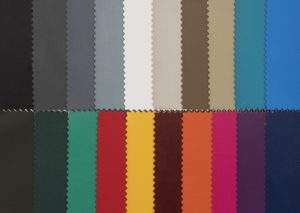
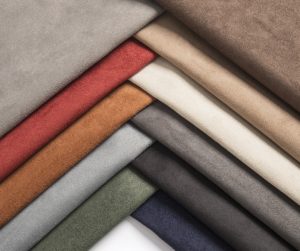
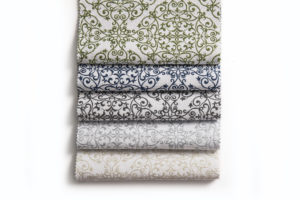
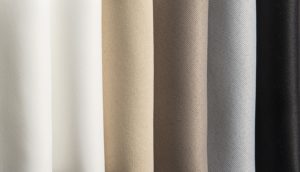
The foam mattress vs spring mattress decision gets easier once you’ve pressed the grades yourself. Start with free fabric samples if you’re covering foam, then bring your measurements and a photo of the bed, and we’ll cut the foam to size.
Pop in-store at your nearest Kehls branch in Maitland, Pinetown or George, WhatsApp the branch, or get in touch online, and we’ll help you match the right foam to the job. We offer free delivery in and around Cape Town, Monday to Friday.
Resources
- Onsen, Foam density: https://onsen.eu/en/blog-about-sleep/foam-density
- National Mattress, What are the pros and cons of a foam mattress: https://help.nationalmattress.ca/knowledge-base/what-are-the-pros-and-cons-of-a-foam-mattress-en
- Nolah, How to keep a mattress from sliding: https://www.nolahsleep.com/blogs/blog/how-to-keep-mattress-from-sliding
- King Koil, What type of mattress do 5-star hotels use: https://kingkoil.in/faq/what-type-of-mattress-do-5-star-hotels-use-and-why-do-they-feel-so-comfortable
- Mattress Stores Los Angeles, How long does it take a memory foam mattress to expand: https://www.mattressstoreslosangeles.com/blogs/mattress-buying-guide/how-long-does-it-take-a-memory-foam-mattress-to-expand
- Mattress Miracle, Mattress coils guide: https://mattressmiracle.ca/blogs/mattress-miracle-blog/mattress-coils-guide
Frequently asked questions by customers
What are the disadvantages of a foam mattress?
The main drawbacks are heat retention, some foam grades feeling firmer than sleepers expect, and body impressions forming in low-density foam over time. Foam mattresses are also lighter, so they can slide on a slatted base. A denser foam grade, a breathable cover and a solid or closely slatted base deal with most of these issues.
Do hotels use spring or foam mattresses?
Hotels use both. Many choose pocket-spring or hybrid mattresses for guest rooms because they spread weight evenly and feel familiar to most guests. Foam mattresses are common in staff quarters, hostels, lodges and bunk rooms, where durability, low weight and easy re-covering matter more.
What happens if you sleep on a foam mattress before 48 hours?
The 48-hour advice applies to compressed, roll-packed foam mattresses that expand after unpacking. Sleeping on one before it has fully recovered can leave it feeling firmer or uneven for a while. Foam mattresses that are not vacuum-packed do not need an expansion period. Follow the maker’s instructions for the recommended wait.
Is a foam mattress good or bad?
A foam mattress is a good choice when the foam grade suits the sleeper and the way the bed is used. Higher-density foam holds its shape for longer and resists sagging, while low-density foam softens quickly. Foam works well for children, bunks, guest rooms and odd sizes because it can be cut to almost any shape. In the foam mattress vs spring mattress choice, the quality of the foam matters more than the mattress type.