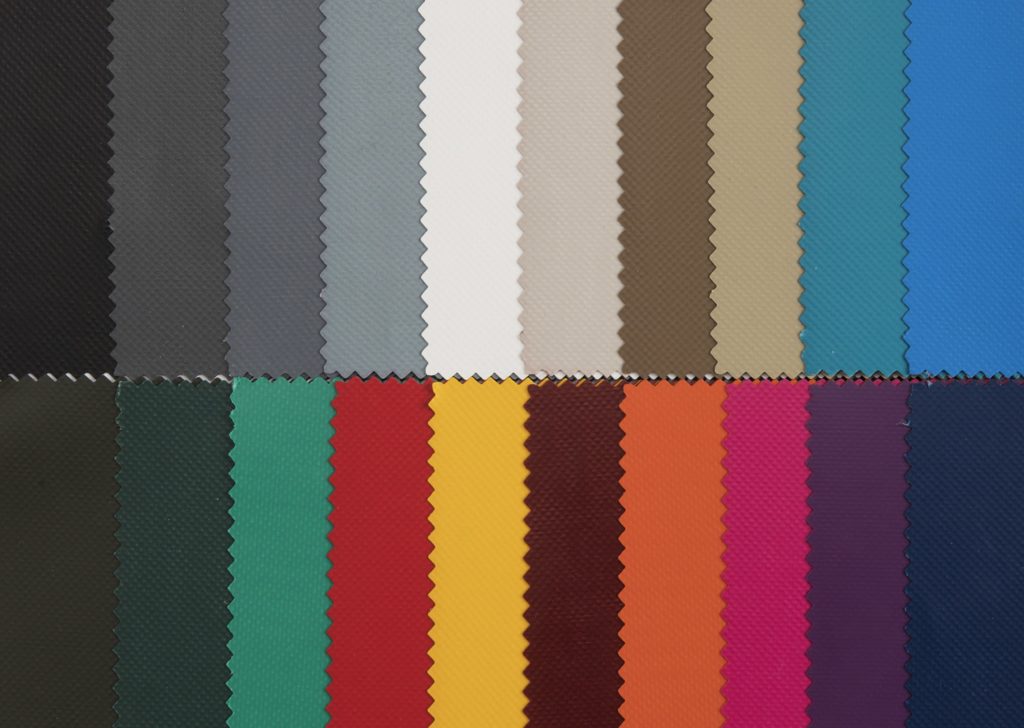
Tarpaulin meaning, in short: a strong, flexible waterproof cover made in PVC, polyethylene, canvas or mesh, and graded by weight in gsm.
Most people who look up what tarpaulin is have a job behind the question: a bakkie load heading up the N3 to KZN, a roof that lost sheeting in a Cape storm, a market stall that needs shade by Saturday. This guide matches each tarp type to jobs like these, in metres and gsm, the way you buy it in South Africa. We have been trading since 1970, so this is the counter version.
Contents
- Tarpaulin meaning: what is tarpaulin and what counts as a tarp
- Types of tarpaulin
- PVC tarpaulin vs polyethylene side by side
- Tarpaulin gsm and weight explained
- Tarpaulin and waterproofing: is tarpaulin waterproof in real use
- Common uses for tarpaulin in South Africa
- Buying tarpaulin by the metre
- Resources
- FAQ
Tarpaulin meaning: what is tarpaulin and what counts as a tarp
The word is older than the plastic. According to Etymonline, tarpaulin comes from “tar” plus “palling”, meaning a tarred canvas cover. Today Wiktionary defines a tarpaulin as a large sheet of strong, flexible, water-resistant or waterproof material such as canvas, coated polyester or polyethylene.
So the tarpaulin meaning is about the job, not one material. Tarpaulin sheet, tarpaulin cloth and tarpaulin cover all mean the same thing: a big, tough sheet you tie over something to keep the weather off. A tarpaulin roof is a temporary cover over a damaged or unfinished roof. A working tarp also has reinforced hems and eyelets (metal rings set into the edge) for roping it down.
Myth: tarpaulin means a blue plastic sheet. Reality: the word started with tarred canvas, and today PVC-coated polyester is the heavier, stronger option for long-term work.
Types of tarpaulin
Which tarp you need comes down to two things: how long it will be outside, and how hard it will work.
PVC tarpaulin
PVC tarpaulin is a polyester base cloth coated with PVC, according to the manufacturer guide at pvctarpaulin.com. The same source rates it heavier, stronger and better suited to long-term or intensive use than polyethylene. Welding-equipment maker Leister describes hot-air welding for truck tarpaulin repairs, so a snag is a fix rather than a write-off. If your job calls for a UV or fire-retardant rating, ask your nearest Kehls branch which ratings apply to the roll.
Polyethylene (PE and HDPE) tarpaulin
Kroftman explains that HDPE tarpaulin is woven from high-density polyethylene and laminated with polyethylene: light, inexpensive and a sensible buy for a short job. The limit is sun: lightweight polyethylene breaks down faster in strong UV than PVC. Some HDPE tarps include a UV stabiliser, so read the label.
Canvas tarpaulin
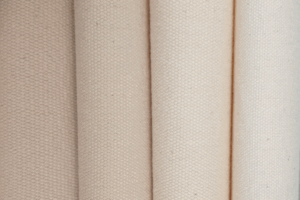
Canvas is the original tarp, and it still earns its place over machinery and timber because it breathes. Know its limit, though: Australian outdoor retailer Snowys points out that untreated canvas is water-resistant rather than waterproof, with leaks coming through stitched seams and pooled water.
PVC mesh
PVC mesh is an open weave coated in PVC. Air passes through, which takes the strain off fixings in wind. It works well for shade screens, windbreaks and sling chair seats.
PVC tarpaulin vs polyethylene side by side
Most tarp decisions come down to these two. Each has a job and a limit.
| Point | PVC tarpaulin | Polyethylene (PE and HDPE) |
| Weight in gsm | Heavier per square metre | Lighter per square metre |
| Waterproofing | Waterproof across the sheet | Waterproof across the sheet |
| UV resistance | Holds up to years of outdoor sun | Lightweight PE breaks down faster; UV-stabilised HDPE does better |
| Repairs | Hot-air welding | Less easy to repair; often replaced |
| Typical lifespan | Several years outdoors | Shorter, especially in strong sun |
| Best uses | Load covers, long-term site and roof covers, repeated commercial use | Short jobs at low cost, one-off covers, a weekend paint job |
Key takeaway: buy polyethylene for the weekend and PVC for the years.
Tarpaulin gsm and weight explained
Read a tarp label and the first number you meet is gsm: grams per square metre, the weight of a 1 m by 1 m square. For illustration only, a 3 m by 4 m sheet is 12 square metres, so at 500 gsm it would weigh 6 kg before eyelets and hems.
A higher gsm generally means more coating, a heavier base cloth, or both. Denier is the second number to know: it describes how thick the yarn in the base cloth is.
Rule of thumb: match the gsm to how long the tarp lives outside and how hard it works. A cover folded on a truck every day needs more weight than a sheet thrown over paint tins for a weekend. Ask at the counter which weights are on the roll.
Tarpaulin and waterproofing: is tarpaulin waterproof in real use
Scenario snapshot: a homeowner in KZN ropes a tarp over a storm-damaged roof. Overnight, rain collects in a sag in the middle, the weight drags on the eyelets, and water drips through a stitched hem. The sheet itself never leaked.
That is the honest answer. Coated PVC and polyethylene tarpaulins are waterproof across the sheet; leaks come through eyelets, stitched seams, tears and water pooling on a sagging cover. Untreated canvas is water-resistant, not waterproof.
Myth: a waterproof tarp cannot leak. Reality: the fabric rarely fails first; the fixings and the shape do.
To keep a cover dry:
- Keep it taut, with a ridge or a fall so water runs off.
- Choose welded seams over stitched seams where you can, because welding leaves no needle holes.
- Check eyelets and repair small tears early.
Common uses for tarpaulin in South Africa
Wikipedia’s entry on polytarps lists the familiar jobs: load covers, site protection, shade and equipment covers.
Truck and bakkie load covers
Scenario snapshot: a Garden Route builder covers cement bags on a bakkie twice a week with a light polyethylene tarp. After months of sun and flapping, the eyelets tear free. A heavier PVC cover with welded hems lasts longer and can be welded if it snags.
Building sites and temporary roofing
A lightweight polyethylene tarp over bricks for a fortnight is sensible; a temporary roof that has to see out a rainy season is a job for PVC, kept taut so water runs off.
Shade, pool and equipment covers
Summer shade over a stoep, a pool cover, a generator cover, a cricket pitch cover: these jobs sit in the sun for months, which favours PVC or a UV-stabilised tarp. Where airflow matters more than rain, PVC mesh shades without catching the wind like a sail.
Events, market stalls and jumping castles
Market stall covers go up and come down every weekend. Jumping castles take more scuffing than anything else on this list, which is where a weldable PVC fabric earns its place.
Key takeaway: the longer a tarp lives in the sun, the more PVC earns its place.
Buying tarpaulin by the metre
With the tarpaulin meaning clear, buying is mostly measuring. Measure the area, add extra on every side for hems and tie-down, and note how it will be fixed: ropes, bungees or a frame.
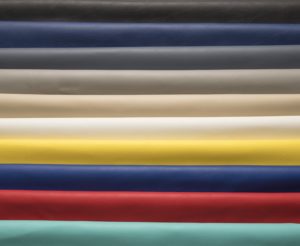
We sell PVC tarpaulin by the metre, cut to size, so a cover can be made to the exact dimensions of whatever it has to fit. Our wider technical fabrics range also includes polyweave.
Ask about free fabric samples so you can feel the weight in your hand before you buy. Then pop in-store at your nearest Kehls branch in Maitland, Pinetown or George, WhatsApp the branch, or get in touch online with your measurements and a photo of the job, and we’ll help you match the right tarpaulin to it. We offer free delivery in and around Cape Town, Monday to Friday. Get the tarpaulin meaning right, and the right tarp follows.
Resources
- Wiktionary, tarpaulin (meaning and definition): https://en.wiktionary.org/wiki/tarpaulin
- Etymonline, tarpaulin (word origin): https://www.etymonline.com/word/tarpaulin
- Wikipedia, Polytarp (common uses): https://en.wikipedia.org/wiki/Polytarp
- PVC Tarpaulin, PVC tarpaulin construction and PVC compared with PE: https://pvctarpaulin.com/?p=13016
- PVC Tarpaulin, outdoor lifespan of PVC and polyethylene tarps: https://pvctarpaulin.com/?p=10324
- PVC Tarpaulin, factors that affect tarpaulin lifespan: https://pvctarpaulin.com/?p=11781
- Kroftman, the difference between HDPE and PVC covers: https://www.kroftman.com/inspiration/what-is-the-difference-between-our-hdpe-and-pvc-cover
- Leister, hot-air welding for truck tarpaulin repairs: https://www.leister.com/en/Stories/expertise/2024/10/Improve-Truck-Tarpaulin-Welding-with-Leister
- Snowys, canvas tarps and water resistance: https://www.snowys.com.au/canvas-tarps
Frequently asked questions by customers
What is tarpaulin used for?
Tarpaulin is used wherever a strong, water-resistant cover is needed: load covers for trucks and bakkies, temporary roofing and site protection, shade structures, pool and equipment covers, cricket pitch covers, market stalls and jumping castles. Heavy PVC tarpaulin suits repeated, long-term use, while lightweight polyethylene tarps suit short jobs at low cost.
Is tarpaulin completely waterproof?
Coated PVC and polyethylene tarpaulins are waterproof across the sheet itself. Leaks usually come through eyelets, stitched seams, tears or water pooling on a sagging cover. Untreated canvas is water-resistant rather than waterproof. Keeping the tarp taut so water runs off, and using welded rather than stitched seams, reduces leaks.
How long does PVC tarpaulin last?
It depends on the fabric weight, UV exposure and handling. A heavyweight PVC-coated polyester tarp generally lasts years of outdoor use, far longer than a lightweight polyethylene tarp, which tends to break down quickly in strong sun. Folding it dry, avoiding sharp edges and storing it out of the sun all extend its life.
What is the difference between HDPE and PVC tarpaulin?
HDPE tarpaulin is woven from high-density polyethylene tape and laminated, so it is light and inexpensive but tears and breaks down in UV more readily. PVC tarpaulin is a polyester base cloth coated with PVC, which makes it heavier, stronger, easier to repair by welding and better suited to long-term or commercial use. Both fit the same tarpaulin meaning, a strong waterproof cover, but PVC is the one built to last.