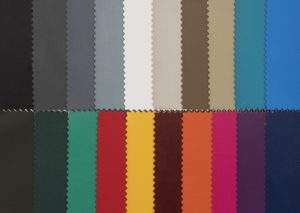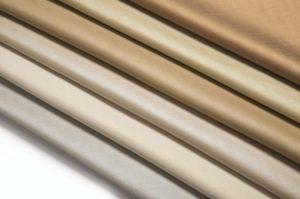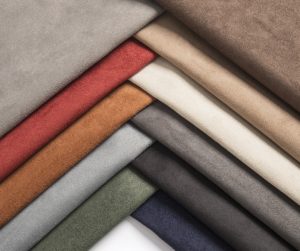
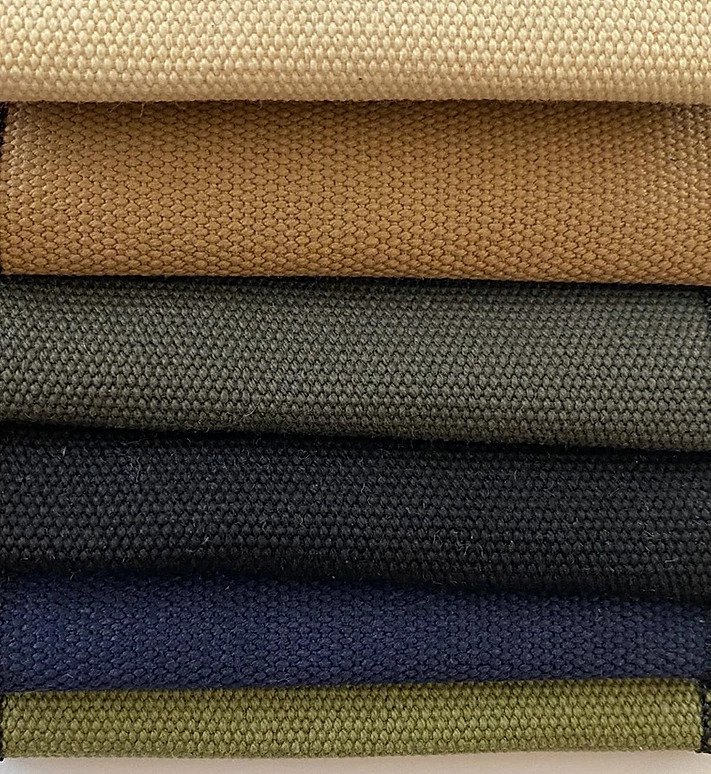
If you’ve already had a sofa wrecked by claws, fur, drool or the occasional accident, you don’t need a lecture about why velvet was a bad idea. You need a shortlist of fabrics that actually hold up — fabrics a Kehls floor manager would steer you toward if you walked in clutching photos of a clawed armrest. This article ranks the picks that work in real South African homes — with a boerboel on the lounge floor, an indoor cat in a security estate, or both — and tells you honestly where each one falls down. For broader fabric choice context, see the complete guide to choosing upholstery fabric in South Africa.
Quick verdict: tight-weave polycotton, heavy canvas and good upholstery vinyl — picked by what your pet does most.
What makes an upholstery fabric “pet-friendly”
Five things actually matter when pets share the lounge:
Tight weave. Loose loops let claws hook and pull threads. Tighter weaves give claws nothing to catch on.
High rub count. Paws and elbows abrade fabric daily. A higher Martindale rub count means more years before the seat goes shiny. For pet households, aim for 30,000+ on the main sofa.
Stain resistance. Either built into the fibre or added as a finish. Spills bead rather than soak, giving you time to blot.
Hair-shedding behaviour. Pile fabrics and loose weaves trap fur. Tight, flat weaves shed best.
Washability. Slipcovers that come off, or vinyl you can wipe down, change how a sofa lives.
Two things matter less than people think: colour (except as hair camouflage) and “looking expensive”. A mid-grey polycotton on a well-built frame will outlast a pale velvet on the same frame.
The best pet-friendly upholstery fabrics — ranked
#1. Heavy polycotton (the all-rounder)
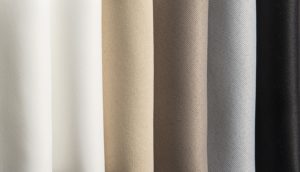
Polycotton is the right starting point for most pet households. Polyester gives abrasion resistance and easy cleaning; cotton gives a soft hand. Tight weaves in this category routinely hit 30,000–40,000 Martindale, take performance treatments well, and let hair brush off cleanly.
Best for: family homes with a medium-shedding dog or an indoor cat that doesn’t claw. Watch-out: cheaper polycottons skew cotton-heavy and stain more readily — confirm the blend.
#2. Canvas / cotton canvas (the workhorse)
Heavy canvas is the toughest soft fabric you’ll put on a sofa — high rub counts, a tight plain weave claws can’t catch, and the easiest slipcover-able surface on the list. Hair brushes off, wear distributes evenly, and the fabric ages gracefully.
Best for: large dogs, busy lounges, anyone willing to wash slipcovers monthly. Watch-out: untreated canvas creases and stains; specify a performance finish.
#3. Upholstery vinyl and faux leather (the wipe-clean option)
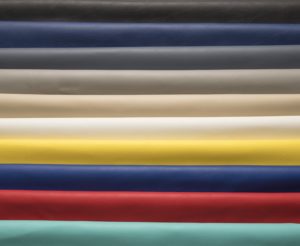
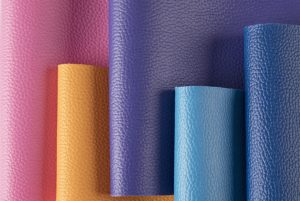
Upholstery vinyl is the answer for drool, accidents and anything liquid. Impervious to spills, hair brushes off in seconds, looks like leather at a fraction of the cost. For daily-use sofas, specify 1mm or 1.2mm thickness.
Best for: drool-prone dogs (boerboels, mastiffs, bulldogs), multi-pet households, “wipe down and you’re done” types. Watch-out: cats with claws will puncture vinyl, and once it tears, it tears further. Not the right answer for cat owners.
#4. Tight-weave performance wovens
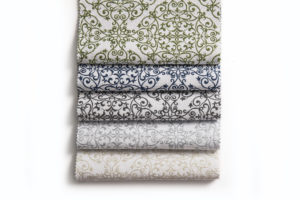
Modern woven decor fabrics with stain-resistant treatments give a softer, decorator-friendly look while staying pet-tough. Look for tight plain or twill weaves at 30,000+ rub with a mill-applied stain treatment.
Best for: decorators who want a sofa that doesn’t read as “pet sofa”. Watch-out: “performance” is a marketing word — ask what the treatment actually is.
#5. Chenille (with a caveat)
Chenille hides hair, takes everyday wear well and is forgiving of spills — but the construction puts short fibres on the surface, which lets rough claws fuzz it and cats pluck the pile.
Best for: family homes where shedding is the main issue and pets don’t claw furniture. Watch-out: cats. See our velvet vs chenille vs bouclé piece for the full comparison.
#6. Outdoor-grade fabric used indoors
A growing pick: outdoor and patio fabrics — typically solution-dyed acrylic — are bleach-cleanable, UV-stable and almost impossible to stain permanently. The hand is slightly drier than indoor decor cloth.
Best for: households that want bleach-cleanable, ultra-tough fabric. Watch-out: texture reads more utilitarian than indoor wovens.
Summary table
Fabric | Pet-friendly score | Best for | Watch-out | Indicative Martindale |
Heavy polycotton | ★★★★★ | Most pet households | Cheaper grades stain | 25,000–40,000 |
Canvas | ★★★★★ | Large dogs, slipcover homes | Creases untreated | 30,000–50,000 |
Upholstery vinyl | ★★★★☆ | Drool, accidents, multi-pet | Cats puncture it | n/a (rated separately) |
Performance woven | ★★★★☆ | Decorator-led rooms | Confirm the treatment | 30,000–45,000 |
Chenille | ★★★☆☆ | Shedding without clawing | Cats pluck pile | 20,000–40,000 |
Outdoor used indoors | ★★★★★ | Bleach-cleanable households | Drier hand | 40,000–60,000 |
Fabrics to avoid (or be careful with)
Honest trade-offs, not condemnations — most are excellent choices in homes without pets.
Velvet shows claw marks, traps hair in the pile, “pressure-fades” where pets sleep. A polyester velvet on a low-use feature chair can still work; on the main sofa with a cat, it won’t.
Bouclé is the most claw-vulnerable fabric on the market — loops catch on anything. Save it for the master-suite occasional chair.
Linen and loose-weave naturals catch claws and stain readily. Beautiful in low-use guest rooms; punishing on a family sofa.
Silk and silk blends — if you have pets, you don’t have silk upholstery.
Unfinished cotton stains where it’s looked at. If you love the look, specify a treated version.
Cats vs dogs vs both: pet-specific guidance
Dogs. Prioritise rub count, washability and hair-camouflage colour. Big breeds and short coats matter — a Staffie’s elbows wear a sofa differently to a golden retriever’s coat. Long-coat shedders push you toward washable slipcovers. Recommended: canvas, polycotton or vinyl, depending on whether drool is part of the equation.
Cats. The whole game is scratch resistance. Tight weaves only, no loops, no exposed pile, no vinyl (puncture risk). Recommended: tight-weave polycotton, heavy canvas, or a tight microfibre. The single biggest intervention isn’t the fabric — it’s a scratching post the cat actually uses, placed near the furniture you’re protecting.
Both. Layer your strategy. A wipeable polycotton or canvas on the main furniture handles the dog; a washable throw on the cat’s preferred spot handles the cat. Specify the same neutral colour family across both so the throw doesn’t read as a patch.
Beyond fabric: treatments, slipcovers and protection
Aftermarket fabric protection. Scotchgard-style sprays add a temporary stain-repellent layer to untreated fabric. They’re not magic — they wear off, need reapplying every 6–12 months, and don’t replace a mill-applied treatment — but on an unprotected cotton or linen they buy real time.
Slipcovers. A purpose-made washable slipcover in a heavy canvas or polycotton is the single best pet investment. The frame stays beautiful underneath; the slip takes the hits and goes through the machine warm. For multi-pet households, order two and rotate.
Throws. Identify your pet’s spot — most have one — and put a heavy washable throw on it. Pets often prefer the throw to the bare cushion, which means the cushion behind it stays clean.
Camouflage colour. Mid-grey, oat, tweed-effect prints and small-pattern weaves hide fur far better than solid black, solid white or any single bold colour. Match the fabric tone to the dominant shed colour where you can.
Care and real-world maintenance
Vacuum weekly — a rubber-bladed pet-hair attachment lifts embedded fur far better than the standard upholstery head. Rotate cushions monthly so wear distributes. Treat spills within five minutes, blotting from the outside in. Machine-wash slipcovers warm (40°C), and always check the cleaning code (W water-safe, S solvent-only, WS either, X vacuum-only) before any wet clean — covered fully in the forthcoming how to clean and care for upholstery fabric [TODO sibling link] piece. Replace foam every five to seven years on a pet-used sofa; the seat will start to feel flat well before the fabric needs attention.
Where to buy pet-friendly fabric in South Africa
Kehls’ branches in Cape Town, Durban and George stock the full pet-friendly shortlist — polycotton, canvas, vinyl, performance wovens, chenille and outdoor-grade fabrics — across a wide colour and weight range. Floor staff will pull Martindale figures on the day so you can compare like-for-like, and swatches are free to take home and test against your pet’s preferred spot before you commit. Browse the wider decor fabric range online, then come in with the photos and measurements.
Frequently asked questions by customers
Tight-weave polycotton or heavy canvas. The whole point is that claws have nothing to hook into — no loops, no pile, no slubs. A tight microfibre also works well. Avoid vinyl with cats; claws puncture it and the tear lengthens with every use.
Yes — it’s one of the best. High rub count, tight plain weave, hair brushes off easily, and slipcovers wash brilliantly. Specify a performance treatment to handle stains and creasing.
Most dogs don’t damage vinyl in normal use — claws don’t hook the way they do on fabric loops. Very large breeds with hard nails can scratch the surface over years, but punctures are rare. Drool, accidents and shedding are where vinyl outperforms almost everything.
Mid-grey, oat, taupe and tweed-effect prints — anything close to the dominant shed colour of your pet, or anything with subtle pattern that breaks up the fur visually. Solid black shows white fur instantly; solid white shows everything.
You can machine-wash a fitted slipcover — that’s why we recommend them — but fixed upholstery has to be spot-cleaned in place. Always check the cleaning code before washing: W (water-safe) is fine on a 40°C wash, but S-coded fabrics need dry cleaning only.
Microfibre is excellent for hair-shedding and cleaning, particularly for cats and short-coat dogs. Polycotton is slightly more breathable and decorator-friendly with a wider colour selection. Both are strong choices; the call usually comes down to look and available colourways.
Yes — all three branches carry the full pet-friendly shortlist, with floor staff who advise on this regularly. Stock specifics vary by branch and week; call ahead if you need a particular range or colourway confirmed.
Yes, swatches are free at any Kehls branch. Take samples home, test them where your pet actually sits, and see how hair brushes off and how the colour reads in the actual room before committing to metres.