Clean vinyl upholstery with mild soapy water and a soft cloth, then wipe it dry. Skip bleach, solvents and abrasives.
The best thing about vinyl is how little it asks of you. This guide covers how to clean vinyl upholstery step by step, plus the vinyl upholstery care habits that keep seats flexible for years. Kehls has supplied vinyl to the Upholsterer, Motor Trimmer and Public since 1970, and this is the advice we share across our counters every week.
Contents
- Routine cleaning: the 5-step method
- What never to use on vinyl upholstery
- How to remove stains from vinyl upholstery
- Special cases: white, sticky, car, boat and vintage vinyl
- Conditioning and UV protection
- When cleaning won’t save it: repair or recover
- Resources
- FAQ
Routine cleaning: the 5-step method
Vinyl’s non-porous surface is what makes it easy to live with: dirt sits on top instead of soaking in. Whether you’ve been searching for how to clean a vinyl couch, kitchen chairs or a bench seat, this one method covers them all. It’s also the best way to clean vinyl upholstery that works hard, because gentle and regular beats aggressive and occasional.
- Brush or vacuum first: loose grit scratches when you rub it around, so go over the surface, seams and piping with a soft brush or vacuum nozzle before any water touches the vinyl.
- Mix a mild soap solution: around 5 ml of mild dish soap in a litre of warm water is all you need. If it would be harsh on your hands, it’s too harsh for vinyl.
- Wipe in sections: use a soft cloth or soft-bristle brush in light circles, giving extra attention to textured grain and stitching lines where dirt gathers.
- Rinse with clean water: go over everything with a damp cloth to lift the soap. Residue left behind dries into a film that attracts the next layer of dirt.
- Wipe dry: vinyl resists water and dries quickly, so a dry cloth finishes the job in minutes. Drying seams properly also denies mildew a foothold.
Key takeaway: a five-minute monthly wipe-down does more for vinyl than any deep clean ever will.
What never to use on vinyl upholstery
Here’s the shorter list that causes most of the damage we see.
Myth: stronger cleaners mean cleaner vinyl.
Reality: harsh chemicals strip out the plasticisers that keep vinyl flexible, and dried-out vinyl cracks.
- Bleach: bleach damage is usually permanent; it attacks the surface and dries the material from within.
- Ammonia and glass cleaners: they dull the finish and strip plasticisers just as surely.
- Abrasive powders and scouring pads: scratches trap dirt and never polish out.
- Solvent and acetone cleaners: these soften and dissolve the vinyl surface itself.
- Melamine sponges (magic erasers) on gloss finishes: they work like ultra-fine sandpaper and leave dull patches.
- Silicone-heavy dressings: they attract dirt and leave seats slippery.
“Most of the tired vinyl that lands on our counter didn’t wear out. It was cleaned with the wrong products, one weekend at a time.” (Branch adviser, Kehls)
How to remove stains from vinyl upholstery
Speed beats strength every time. The sooner you lift a mark, the gentler the method that works, so our counter advice for every stain is the same: start mild, and only step up if you must.
- Ink and denim dye transfer: wipe with the mild soap solution as soon as you spot it. Dye that has had days to settle into white or light vinyl may never lift fully, so treat jeans-on-white as a same-day wipe.
- Food, drink and grease: warm soapy water and a soft-bristle brush worked along the grain, then rinse and dry.
- Mould and mildew: clean at the first speckle. Mildew roots in stitching, so concentrate on seams, then dry the area completely.
- Sunscreen and body oils: these quietly stain and degrade car and boat seats. Wipe them down after beach days rather than waiting for marks to appear.
If a stubborn stain shrugs off two or three gentle attempts, step up to a purpose-made vinyl cleaner rather than a harsher household chemical.
Special cases: white, sticky, car, boat and vintage vinyl
Different settings throw different problems at vinyl; only the emphasis changes.
White and light vinyl
Wondering how to clean white vinyl upholstery without dulling it? Use the same mild soap solution, just more often, and rinse thoroughly so no film builds up. White vinyl shows its history: UV, age and denim dye transfer all push it towards yellowing.
Surface marks improve with regular gentle cleaning. Yellowing that has developed within the material won’t scrub out, so quick wipe-downs and a UV protectant are the real strategy.
Sticky vinyl
Myth: sticky vinyl just needs a stronger cleaner.
Reality: stickiness usually comes from plasticiser migration and built-up residue as vinyl ages, not from something spilt. If you’re working out how to clean sticky vinyl upholstery, give it two or three gentle soap washes, rinse well, dry, then apply a vinyl conditioner.
Mild stickiness often improves noticeably. Vinyl that stays tacky and is cracking has degraded past cleaning, and recovering becomes the better spend.
Car seats and trim
How to clean vinyl seats in a car is really a heat question. The wash method is identical, but cabin temperatures accelerate drying, and sunscreen transfer is the classic summer stain.
Park in shade where you can, use a windscreen shade and condition regularly. Quality vinyl handles temperature swings, including cold crack resistance in winter, and conditioning helps it keep that flexibility.
Boat seats
Scenario snapshot: a Knysna owner pulls the winter cover off in spring and finds black speckling along every seam. That’s mildew rooted in the stitching, the issue we hear about most from Cape and Garden Route boat owners.
How to clean vinyl boat seats is mostly rhythm: rinse off salt spray with fresh water, wash with the mild soap solution, dry fully and only cover dry seats. Mildew caught as a speckle wipes away; mildew left all season settles in.
Old and vintage vinyl
Gentle-first is the whole rule for how to clean old vinyl upholstery. Test your soap solution somewhere hidden, work in short sessions and skip stiff brushes.
Vintage vinyl has usually lost some plasticiser, so follow every clean with a vinyl conditioner to restore flexibility.
Conditioning and UV protection
South African sun is the single biggest ageing force on vinyl, which makes UV protection part of basic vinyl upholstery care rather than an optional extra. UV exposure accelerates drying and cracking, while conditioning keeps the surface supple.
Stick to two product classes: a water-based vinyl conditioner and a UV protectant spray, and avoid silicone-heavy dressings. As a rule of thumb, condition every two to three months indoors and monthly for vinyl living in direct sun.
We stock vinyl polishers and protectors alongside our ranges, and quality vinyl cared for this way maintains flexibility and resists cracking for years.
“People think conditioning is a boat thing. Every north-facing couch in the country is fighting the same sun.” (Upholstery adviser, Kehls)
When cleaning won’t save it: repair or recover
Cleaning restores a surface; it can’t rebuild one. If vinyl is cracked through, torn, sticky after repeated proper cleaning, or showing foam underneath, recovering is the honest answer, and it costs less than most people expect.
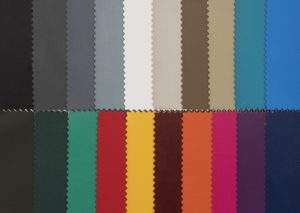
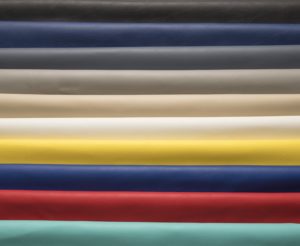
Vinyl is sold by the metre, so you buy only what the job needs, and a single seat or chair pad typically needs very little. Our upholstery vinyl guide walks through matching a range to the job, and our vinyl ranges run from Economical 0.7mm to Contract 1.2mm. For home furniture, Regular Vinyl 0.8mm is the usual starting point.
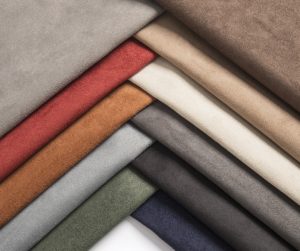
Knowing how to clean vinyl upholstery properly covers most of what ever goes wrong, and routine vinyl upholstery care keeps recovering years away. When the time does come, we’ll send you free samples so you can match colour and feel at home, with affordable and quality vinyl in every thickness.
Whether you’re an upholsterer, a motor trimmer or recovering your first kitchen chair, pop in-store at your nearest Kehls branch in Maitland, Pinetown or George, WhatsApp the branch, or get in touch online. We offer free delivery in and around Cape Town, Monday to Friday.
Resources
- Kehls, Upholstery Vinyl Guide: https://www.kehls.co.za/upholstery-vinyl-guide-thickness-types-and-applications/
- Kehls, Vinyl Thickness Guide (0.8mm, 1.0mm, 1.2mm): https://www.kehls.co.za/vinyl-thickness-guide-0-8mm-vs-1mm-vs-1-2mm-which-do-you-need/
Frequently asked questions by customers
Is there a vinyl upholstery cleaner recipe I can mix at home?
Yes, and it’s short: around 5 ml of mild dish soap stirred into 1 litre of warm water. That mild soap solution handles routine dirt on furniture, car seats and boat seats alike. Rinse with clean water afterwards and wipe dry. Resist adding bleach or ammonia to the mix; stronger home brews are how vinyl gets damaged. For marks the recipe won’t shift, a purpose-made vinyl cleaner is the safer step up.
What cleans vinyl seats best?
For routine cleaning, nothing beats warm water, mild dish soap and a soft cloth, with a soft-bristle brush for textured grain and stitching. For stubborn marks, use a cleaner made specifically for vinyl. Finish with a vinyl conditioner or UV protectant to keep the surface supple, and steer clear of solvents, abrasives and silicone-heavy dressings. The best product is usually the gentlest one that gets the job done.
How do I clean heavily soiled vinyl upholstery?
With repetition rather than force. Vacuum first, then work through several rounds of the mild soap solution, rinsing between passes and using a soft-bristle brush on stitching and textured areas. Most heavy grime lifts in layers this way. If dirt returns immediately, or the surface stays sticky and cracked however well you clean, the material itself has likely degraded, and it’s worth reading our recovering advice above.
What’s the best way to clean vinyl boat seats with mildew?
Catch it early. Wash with a mild soap solution, working a soft-bristle brush gently along seams and stitching where mildew roots, then rinse and dry the seats completely before covering the boat. Regular cleaning through the season matters more than any single product, because mildew wiped away as a speckle never gets the chance to settle in. Covers help, but only over dry seats.