
Written by the Kehls team · Last updated: 21 July 2026
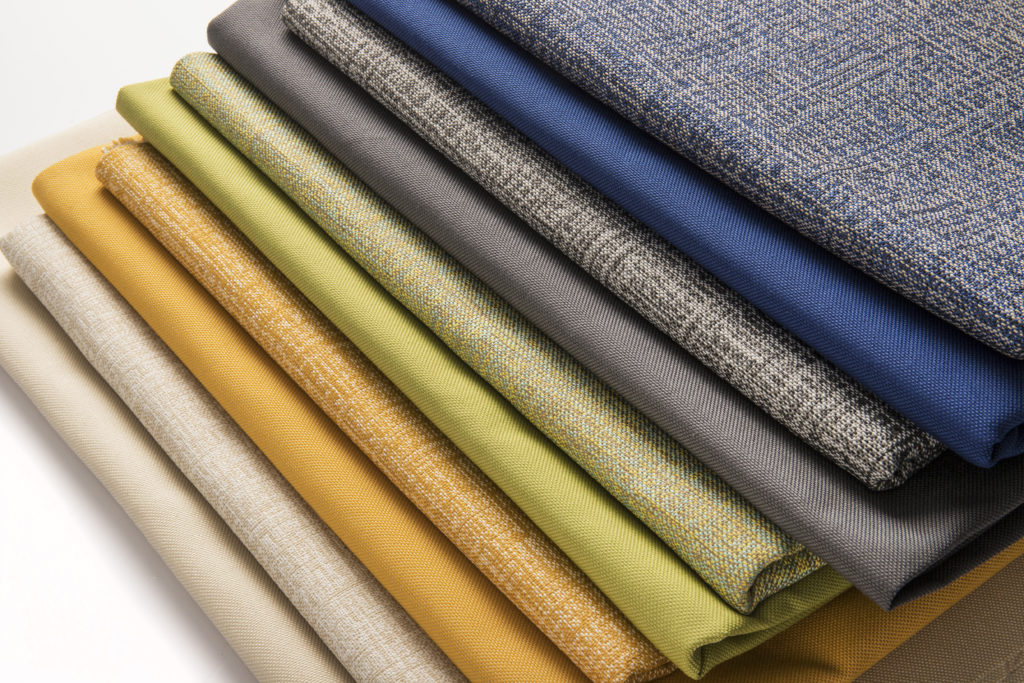
Outdoor fabric is solution-dyed or specially treated to resist UV, water and mildew in permanent exposure. Patio fabric is a mid-tier outdoor-rated cloth made for covered spaces. Indoor fabric is woven for texture and comfort, with no weather protection built in. That is the difference between outdoor and indoor fabric in three sentences.
We’ve been helping the Upholsterer, Motor Trimmer and Public tell these three classes apart since 1970. The outdoor vs indoor upholstery fabric question lands on our counters daily, usually with a stoep bench or a set of cushions waiting at home. Here’s how to get it right first time.
Contents
- The three fabric classes at a glance
- What makes a fabric “outdoor”?
- Outdoor vs patio fabric: what Kehls means by each
- Can outdoor fabric be used indoors?
- Water-repellent vs waterproof: the distinction that ruins cushions
- Choosing fabric for South African conditions
- Compare all three at home with free fabric samples
- Resources
- FAQ
The three fabric classes at a glance
Choosing upholstery fabric for outdoor furniture starts with where the piece will live, not what it costs. These three classes are not rungs on a quality ladder; each is affordable and quality cloth engineered for a different job. Here is the outdoor vs indoor upholstery fabric comparison, with patio in between, in a single view.
| Property | Outdoor | Patio | Indoor |
| UV resistance | Highest; colour locked into the fibre | Good; made for bright, covered spaces | Not rated for direct sun |
| Water behaviour | Water-repellent yet breathable | Sheds light moisture under cover | Absorbs moisture; dry use only |
| Mould and mildew | Resistant | Resistant in covered spaces | No added resistance |
| Feel | Softer than most people expect | Sturdy, practical hand | Widest choice of textures |
| Typical lifespan outdoors | Longest; made for permanent exposure | Good under a roof; shorter in open weather | Not rated for outdoor use |
| Price band | Higher per metre; cost-effective over its life | Mid-band | Widest spread, from polycottons to velvets |
| Best uses | Open patios, poolside loungers, coastal stoeps | Covered stoeps, verandas, enclosed braai rooms | Lounges, bedrooms, dining chairs |
Key takeaway: Direct sun or open rain calls for outdoor cloth. A solid roof overhead makes the patio tier the sensible buy. Inside, the indoor ranges give you the widest run of texture and colour.
What makes a fabric “outdoor”?
Outdoor performance is decided at the fibre stage, long before the cloth reaches our shelves. Two manufacturing choices do most of the work: how the colour gets in, and what protects the weave.
Most indoor cloth is piece-dyed. It is woven first and coloured afterwards, so the dye sits in the outer skin of each yarn. Solution-dyed acrylic is built the other way around: pigment is blended into the liquid acrylic before the fibre is spun, so the colour runs through the strand like the orange through a carrot. That is why a solution-dyed, fade-resistant fabric keeps its depth long after a printed weave has gone chalky.
“Slice a solution-dyed yarn and it’s the same colour in the middle as on the outside. The sun has nothing to strip away, and that’s the whole secret to its UV resistance.”
- Retail Sales Consultant, Kehls Cape Town
Coated polyester takes a second route: a protective treatment gives the weave its water and UV resistance. Olefin fabric (polypropylene) is a third fibre family used in outdoor cloth worldwide, prized for shrugging off moisture. Whichever fibre a cloth starts from, a true outdoor fabric earns four working benefits:
- Fade-Resistant: Maintains colour even under direct sunlight.
- Water-Repellent: Sheds spills and light rain while the weave keeps breathing.
- Mould and Mildew Resistant: Slows growth through damp, humid spells.
- Easy-Care: A brush-down and mild soapy water handle most marks.
Outdoor vs patio fabric: what Kehls means by each
The two words are not interchangeable at our counter; they are separate ranges shelved side by side. As a typical trade distinction, outdoor cloth is rated for permanent open exposure, while patio cloth is the tier made for covered and semi-covered spaces.
Our Outdoor fabric range handles the open-air work:
- Agora: Our premium acrylic range, resistant to fading, moisture and mildew.
- Cape Floral: Botanical designs, UV-resistant and breathable.
- All Weather: Weatherproof cloth made for sun, wind and rain.
- Bursa Plain and Broad Stripe: Long-standing favourites for umbrellas and benches.
- Ankara Plain and Mottled Weave: High UV resistance for harsh, bright positions.
The separate Patio range sits alongside these, and it is the natural home for patio cushion fabric on a covered stoep or veranda. Both ranges are sold by the metre and cut to size, so you only buy what the project needs.
Can outdoor fabric be used indoors?
Yes, and we recommend it more often than you might expect. Indoor outdoor upholstery fabric is simply outdoor cloth soft enough to live inside, and its durability and easy care earn their keep wherever life is hardest on furniture: dining chairs, window seats in full sun, anything a toddler can reach.
Pets usually settle the question. Our rule of thumb is that dark and patterned fabric disguises drool marks, paw prints, scratch marks and shed hair, and an outdoor weave adds wipe-down cleaning on top.
Scenario: A Pinetown family has two Labradors and a couch in a sunny bay window. A dark, patterned outdoor weave gives them colourfastness against daily KZN sun and a surface that cleans up after every muddy tail-wag.
This is where the difference between outdoor and indoor fabric works in your favour. For calmer rooms, our indoor décor fabric ranges, from chenille and velvet to boucle and damask, remain the first stop for texture and comfort.
Water-repellent vs waterproof: the distinction that ruins cushions
Myth: Outdoor fabric is waterproof. Reality: Most outdoor cloth is water-repellent. It resists moisture and dries fast, but it is engineered to breathe rather than seal, and that distinction ruins more cushions than fading ever does.
A water resistant outdoor upholstery fabric sheds light rain while letting trapped humidity escape, which is exactly what keeps mould out of the foam. Seal a cushion completely and any water that does find a seam has no way back out.
If the project truly needs a waterproof, UV-resistant outdoor upholstery fabric, there are three honest routes: a protective waterproof backing, a spray-on treatment, or upholstery vinyl. Marine-grade vinyl remains the standard for boat seating and poolside pads that live wet; our upholstery vinyl guide covers when vinyl beats cloth.
Key takeaway: Choose water-repellent cloth for seating that can drain and dry. Reserve waterproof outdoor upholstery fabric, meaning backed cloth or vinyl, for spots where standing water is a certainty.
Choosing fabric for South African conditions
Region beats colour palette when you buy outdoor upholstery fabric in South Africa. The World Health Organization’s UV Index rates readings of 11 and above as extreme, and South African summers regularly push into the very high and extreme bands, which is why the South African Weather Service publishes UV forecasts.
On the Highveld, fierce sun makes UV resistance the first filter; high-UV weaves like Ankara Plain and Mottled Weave are made for exactly that brief. At the coast the test doubles: salt-laden wind around Cape Town and KZN humidity work on a cloth’s mould and mildew resistance as hard as its colour. Breathable, quick-drying weaves such as Cape Floral suit those conditions well.
“On the Garden Route we tell customers to think damp first and sun second. A breathable, mould-resistant cloth under a covered stoep will outlast almost anything.”
- Sales Consultant, Kehls George
Then match the tier to the shelter: a covered stoep or veranda suits the Patio tier, while an open patio, pool surround or exposed bench wants the full Outdoor rating. We’ve watched these conditions test fabric from Maitland (our Cape Town home since 1988) to Pinetown (2006) and George (January 2019), so ask the branch nearest your weather.
Compare all three at home with free fabric samples
The outdoor vs indoor upholstery fabric decision becomes easy once the cloth is in your hands. Order free fabric samples of your outdoor, patio and indoor candidates, leave them where the furniture lives for a few days, and judge the hand and colour in your own light.
Whether you’re an upholsterer restoring a wingback, a motor trimmer lining a canopy or a homeowner recovering stoep cushions, we’ll help you land on the right range first time. Request samples or a quote through our contact page, WhatsApp your nearest Kehls branch, or pop in-store in Maitland, Pinetown or George. Fabric is sold by the metre, and delivery is free in and around Cape Town, Monday to Friday.
Resources
- World Health Organization, Global Solar UV Index: A Practical Guide (2002), who.int.
- South African Weather Service, UV Index information and forecasts, weathersa.co.za.
- Encyclopaedia Britannica, “Man-made fibre” (fibre production and mass pigmentation), britannica.com.
FAQ
What is outdoor fabric?
Outdoor fabric is upholstery cloth engineered to withstand the elements without fading or degrading. Most is made from solution-dyed acrylics or treated polyester blends, which resist UV rays, water and mildew while retaining softness. Because the colour is locked into the fibre rather than printed on top, it stays true through years of harsh sun. We stock it by the metre.
What kind of fabric is best for outdoor furniture?
For pieces standing in full sun, solution-dyed acrylic is the best outdoor upholstery fabric: fade-resistant, breathable and surprisingly soft. Treated polyester blends are a cost-effective choice for covered spots, and vinyl suits seats that must shed water completely. A good outdoor fabric holds its colour, resists mould and dries quickly, so match the cloth to the exposure rather than buying one class for everything.
Is polyester fabric good for outdoor furniture?
Yes, provided it is treated or coated for outdoor use. The treated polyester blends in our Outdoor range resist UV, water and mildew, and they suit covered stoeps and verandas particularly well. Untreated, piece-dyed polyester fades faster because the colour sits on the surface of the yarn. For open, all-day sun, a solution-dyed acrylic such as Agora holds its colour longest.
Can you upholster over old fabric?
Sometimes, but we recommend stripping back first. One clean, tight, dry layer can be acceptable on an indoor piece; more than that adds bulk, blurs seam lines and stops staples seating properly. Outdoors it is riskier, because a trapped layer holds moisture against the new cloth and invites mould. Removing the old cover also lets you inspect the foam and webbing before the new fabric goes on.
How durable is upholstery fabric?
It depends on the fibre, the weave and where the piece lives. Tightly woven cloths such as canvas, jacquard and outdoor acrylics take daily use in their stride, while finer weaves suit lower-traffic seating. Outdoor fabrics add engineered resistance to sun, moisture and mould on top of wear. Tell our branch staff what the piece will face and we’ll point you to a range built for it.
How do I clean and maintain outdoor upholstery fabric in the South African climate?
Brush off loose dirt regularly, wash marks with mild soap and lukewarm water, and let the fabric air dry fully. Avoid bleach, which can damage protective treatments. At the coast, rinse cushions now and then to remove salt spray, and stand them on edge after rain so water drains instead of pooling. In the damp months, store loose cushions under cover overnight.